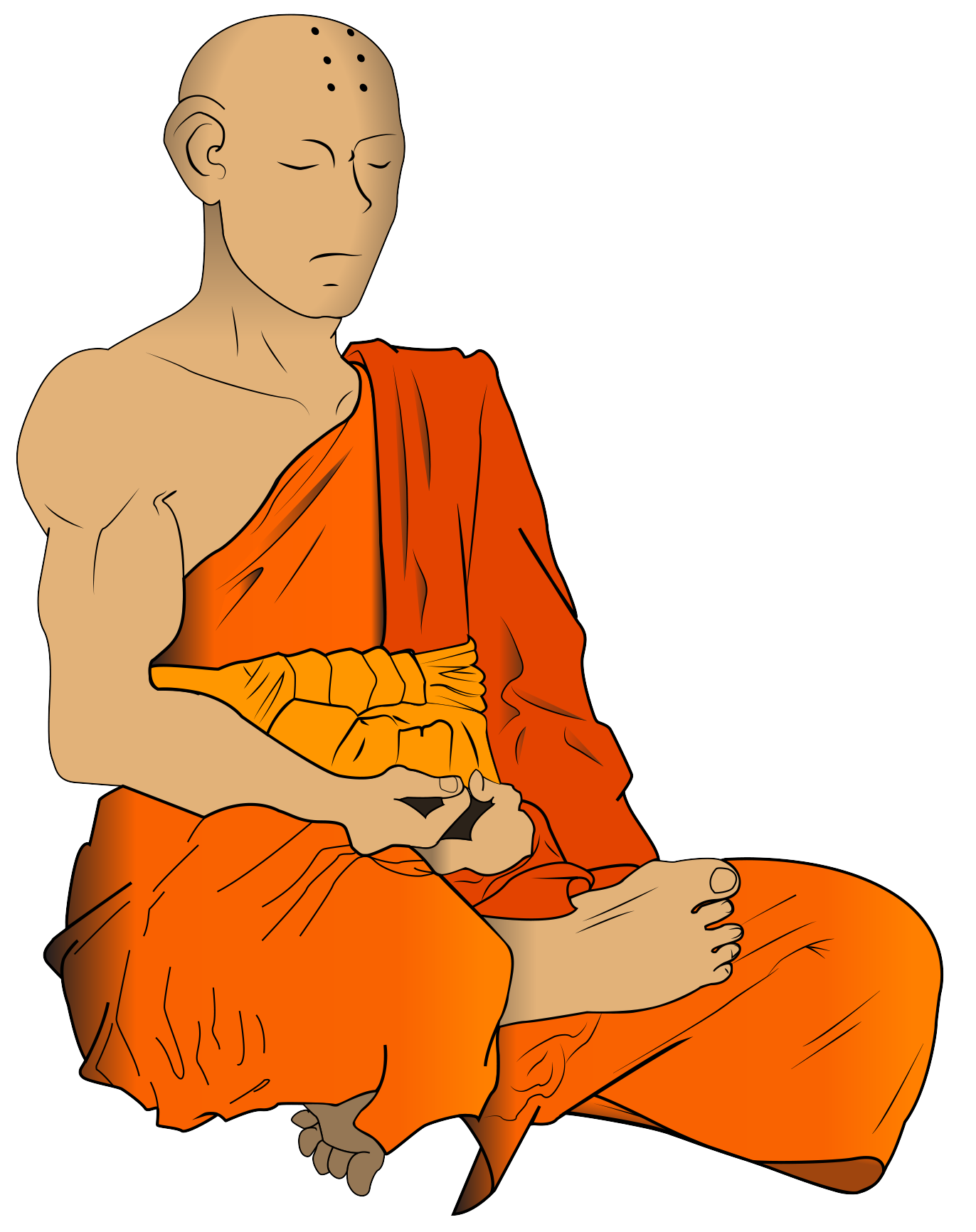
“Be like a rocky promontory against which the restless surf continually pounds; it stands fast while the churning sea is lulled to sleep at its feet.” – Marcus Aurelius
“Neediness, therefore, infiltrates all behaviors because it is what inspires and instigates all behaviors. A lack of neediness also infiltrates all behaviors for the same reason.” – Mark Manson

Theory
1. The basics
Outcome independence is a frame of mind in which one does not feel that their wellbeing is dependent on favorable outcomes.
When you’re outcome independent, your equanimity is not thrown off balance by things not going your way, and your locus of control is internal. The opposite of outcome independence is neediness. When you’re needy, you require things go your way to stay balanced.
Women are attracted to outcome independence and repulsed by neediness (aka desperation or “thirst”). Take the classic example of pursuing an ex-girlfriend. The internet is littered with articles and videos with titles like “How to get her back in three easy steps”, or “The one true secret to getting her back”. But we all know that’s a Catch-22 because usually the only thing you can do to get an ex back is to not want her back. Only then will your behavior stem from a source of strength and outcome independence—anything else reeks of neediness.
This sober reality is illustrated by a scene from the movie Swingers in which Rob (Ron Livingston) is counselling his recently heartbroken friend Mike (Jon Favreau):
ROB: See, you can’t do anything to make her want to come back. You can only do things to make her not want to come back.
MIKE: So the only difference is if I forget about her or pretend to forget about her.
ROB: Right.
MIKE: Well that sucks.
ROB: It sucks.
It’s not just that women are repulsed by neediness, it’s that they’re more repulsed by neediness than perhaps any other trait in a man. One of the reasons men so often fail to grasp this, and why their behavior turns women off, is because they don’t appreciate just how sensitive women are to neediness.
Women will know if you’re needy. They can detect neediness in your tone of voice and body language the same way a drug-sniffing dog can detect cocaine in your coat pocket.

The obvious solution for men is to practice outcome independence. It bears repeating that outcome independence is the most attractive trait in a man.
2. Digging deeper: Abundance
Why is outcome independence such an attractive trait? From an evo-psych perspective, outcome independence subconsciously signals the attainment of something that every human who has ever lived has desired: abundance.
Abundance is a surplus of resources. When you signal abundance, you’re communicating a simple but powerful message: “I have more than I could ever need. I have abundant resource x (food, money, time, sex, etc.)” When you don’t need something (outcome independence), it appears that you must have it (abundance). In that sense, outcome independence and abundance are two sides of the same coin.
“There are two ways to get enough: One is to continue to accumulate more and more. The other is to desire less.”
GK Chesterton
Once you signal that you have everything you need, that you’ve attained abundance, people are naturally drawn to you. That’s why so much that’s already been written on the topic encourages an “abundance mindset”. As Ben Yareem writes in The Last Game, you must “act as if you have unlimited money and women”. It’s a mindset that paradoxically attracts money and women.
One Redditor explained this paradox well:
The funny thing is, when you become outcome independent – when you don’t care about what other people think, when you don’t care about manipulating the outcome to your favor – the outcomes tend to turn out in your favor. When you don’t care if people like you, they like you more.
Rian Stone likens it to bank loans, which are more readily available to those who need it least.
One crucial difference between bank loans and seduction, however, is that securing a bank loan actually requires resources (proof of funds, good credit, etc.). In seduction, where hormones and emotions and cognitive shortcuts are at play, subconsciously signalling abundance doesn’t require proof.
Proof helps, but our lizard brains are more responsive to signals. This is why you’ll sometimes see successful but needy men fail with women, while broke but outcome independent men succeed: the latter’s behavior communicates a stronger signal of abundance than the former actually possess in real resources. Even if the woman does stick with the rich needy guy, best believe she’ll be dreaming of his carefree pool boy.
| Excerpt from A Modern Interpretation of Buddhist Spirituality: Replacing Neediness with Expression and Appreciation by M. LaFargue The primary purpose of Buddhist meditation is long-term reduction in compulsive and inflexible neediness, compulsive and inflexible need for tangible signs confirming one’s sense of self-worth….An enlightened person would have an unshakeable confidence in her ability to rise to any occasion, to relate well and meaningfully to any situation that might arise. She would have a basic sense of self-esteem solely dependent on this ability. |
This is crucial to understand because there tends to be a debate around whether you should “fake it ’til you make it” or not, a false dichotomy that overlooks the basic fact that so much human behavior is, by its very nature, “faking it”—it’s designed to manipulate and misrepresent. Even simple courtesies and small talk can be seen as a game that people play to achieve an end (think of the coworker you strongly dislike but with whom you converse to keep things amicable). For a lot of behavior, therefore, faking it is making it.
By signalling outcome independence / abundance (again, two sides of the same coin), women will want to be with you and men will want to be you. You’ll have the “it” factor that women are attracted to and men are envious of.
Further reading: Models by Mark Manson, Chapter 1: Non-neediness
Practice
Outcome independence is a muscle
What does it mean to be outcome independent in practice?
I’m going to depart from what I’ve read on this topic and argue that it’s less important to become an outcome independent person than it is to practice outcome independence from moment to moment.
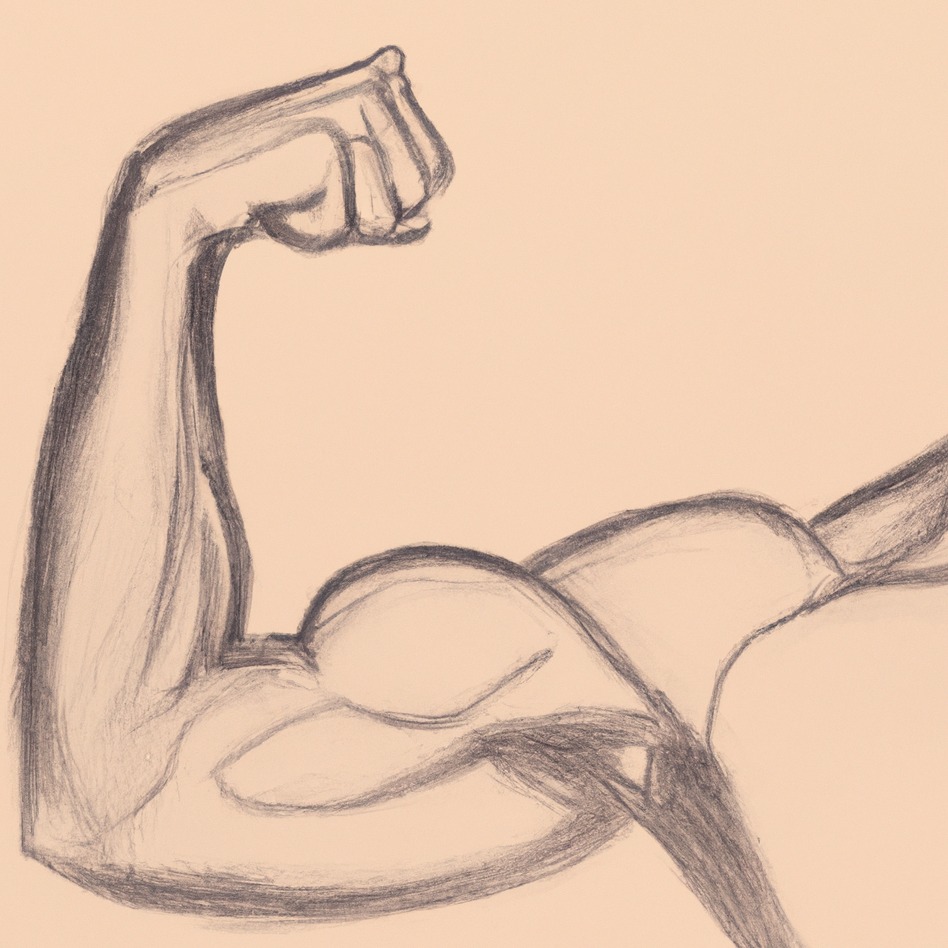
I concede that if you have balls of steal then maybe it’s fair to say you’re a fundamentally outcome independent person. But I think we get so wrapped up in labels and identities that we forget the fact that everyone is imperfect and changing from one moment to the next. The goal shouldn’t be to become some ideal, non-needy person, but rather to get better and better through practice and maximize the amount of time you’re outcome independent. It always comes down to reps. Learn to flex, in Tim Grover’s words, the “I-don’t-give-a-fuck muscle.”
Treating outcome independence as a muscle works for two reasons. First, when you inevitably think or act in a needy way you won’t treat it as big deal. You’re only human, and when you stray from being outcome independent this shouldn’t threaten some made-up identity you’ve built up for yourself as an imperturbable, unshakable god. When outcome independence is thought of as something that comes and goes but can be strengthened over time, you won’t chase perfect, which doesn’t exist anyway.
The second reason why you should treat outcome independence as a muscle is because it allows you to concentrate your efforts much more effectively. You should take moments in your day to prepare to be outcome independent. You should say to yourself “the moment I walk into this room, I will be non-needy in my interactions, especially with women.”
When you’ve mentally prepared in this way, I can guarantee you that you’ll appear far more attractive than all the other men who are either oblivious to their neediness or are relying on some fixed identity to regulate their behavior.
Further reading: The Practicing Stoic: A Philosophical User’s Manual by Ward Farnsworth.
 Inner Game Seduction
One response to “I: Outcome Independence”
[…] you play a video game you play as someone else—you’re more outcome independent because there are no consequences for […]
LikeLike